
.png)
Finding the Perfect Live‑Edge Slabs—Salvaged Wood and Custom Furniture
- Sarah Miller

- May 3
- 3 min read

There’s a special thrill in choosing a live‑edge slab: you’re literally deciding how a piece of a tree will live on as a table or countertop. Each slab has its own personality, from the way the bark curves to the unique grain of the wood. In Denver, the demand for salvaged wood slabs and live‑edge slabs has grown along with the desire for sustainable, handcrafted furniture. This week, let’s dive into how to find the perfect slab and why salvaged wood makes it even more special.
Why salvaged slabs matter
Denver Wood Slabs explains that they “turn local urban trees that are being taken down due to disease, age, weather or development into salvaged wood, giving them a second life”. Instead of chipping these trees into mulch, they mill them into usable slabs or lumber. This process keeps trees out of landfills and honors their beauty.
Choosing a slab made from salvaged wood means:
Sustainability: You’re reducing waste and giving a tree a second life.
Uniqueness: Every slab has its own shape, grain and color; no two pieces are the same.
Story: Imagine telling dinner guests that your table once shaded a Denver street or stood in a local park.
Selecting the right species
Salvaged slabs come in many species—walnut, maple, ash, beetle‑kill pine. Each has its own characteristics:
Walnut: Dark, rich tones and dramatic grain patterns. Great for high‑end tables.
Maple: Light colored with subtle grain. Pairs well with contemporary décor.
Ash or Elm: Durable and fairly light, ideal for kitchens or work surfaces.
Beetle‑kill pine: Known for its blue streaks caused by the mountain pine beetle. A Colorado favorite for rustic projects.
When you visit a slab yard, bring measurements for your project. It helps to have an idea of the size and shape you need, but let the slab inspire you—sometimes a spectacular live edge leads to a custom design you hadn’t considered.
Working with the live edge
A live edge is the natural outer contour of the tree. Here’s how to make the most of it:
Embrace the curve: Don’t be tempted to cut the live edge straight. Its curves are what make your piece unique.
Finish carefully: Sand lightly and apply a finish that highlights the grain. Many artisans use natural oil or wax for a subtle sheen.
Pair with steel or wood: Live‑edge slabs look stunning with metal legs for a modern feel, or with reclaimed wood bases for a rustic look.
From slab to dining table
One of the most searched long‑tail keywords in our industry is “reclaimed wood dining table”—and for good reason. A live‑edge dining table is more than a piece of furniture; it’s an heirloom. When commissioning a custom table:
Pick your slab early: The shape and character of the slab will dictate the final design.
Consider thickness: Most slabs are 2–3 inches thick. Thicker slabs make a statement but are heavier.
Choose a base: A base can be custom‑welded steel, reclaimed beams or simple wooden legs. Make sure it complements the slab.
Beyond tables: other uses for slabs
Live‑edge slabs aren’t just for dining rooms. Here are a few ideas:
Countertops: A live‑edge countertop in a bathroom or bar adds organic warmth.
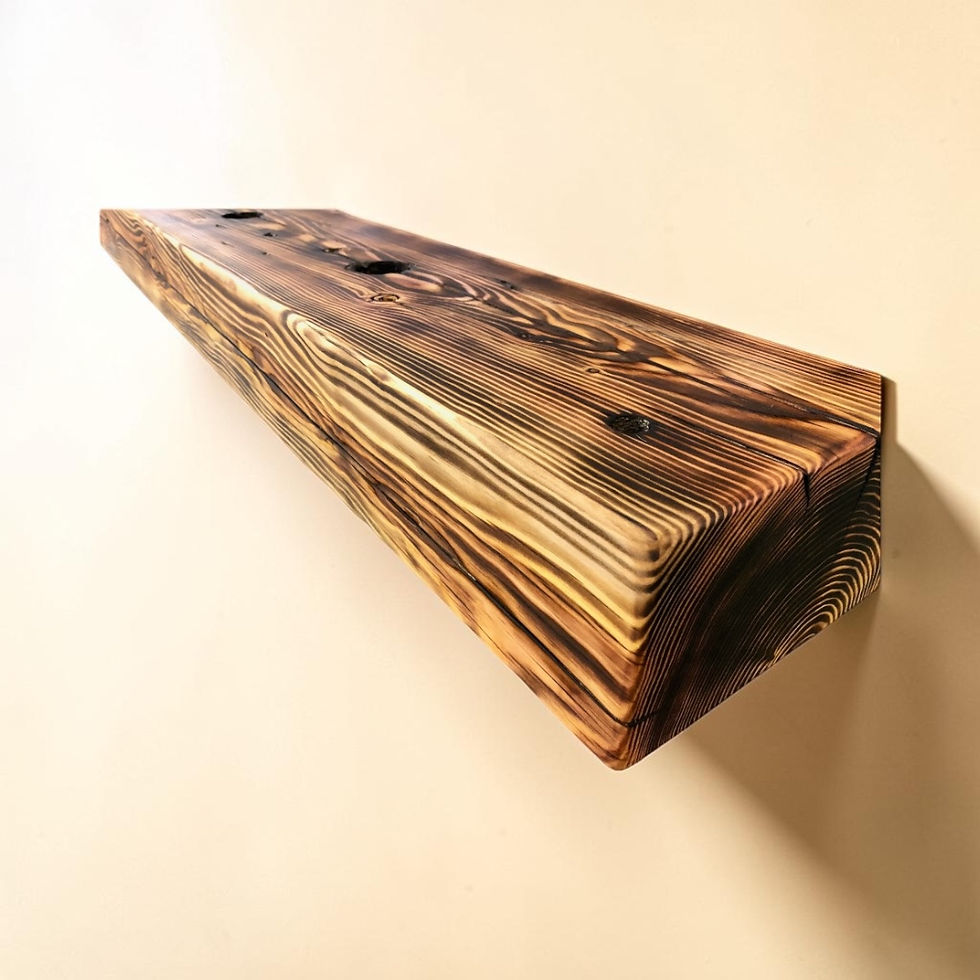
Shelving: Floating live‑edge shelves can turn a bland wall into a gallery.
Wall art: Mount a slab vertically as a piece of natural art.

Where to find slabs in Denver
Reputable suppliers like Denver Wood Slabs and Revolve Reclaimed invite customers to browse slabs on site. Look for vendors who kiln‑dry their wood to stabilize it and prevent warping. Ask about the wood’s origin—responsible yards are proud to share their stories.
At Revolve Reclaimed, we carry a rotating selection of live‑edge slabs from Colorado species as well as reclaimed beams and other unique materials. Whether you’re searching for “live edge slabs Denver,” “salvaged wood slabs Colorado,” or planning a custom reclaimed wood dining table, we’re here to guide you through the process.
Final thoughts
A live‑edge slab captures nature’s artistry in a way few other materials can. By choosing salvaged wood, you honor both the tree’s history and the environment. As you plan your next project, take time to find a slab that speaks to you. When you sit down at your finished table, you’ll feel a connection to the earth and the local community that made it possible.

So informative and helplful in picking my dining room table